Launching a startup is no walk in the park. It’s more like climbing a mountain shirtless in winter—harsh, unforgiving, and requiring serious grit. Before you can pitch to big-time VCs or angel investors at later stages, there’s something called pre-seed funding. It’s your first battle, and you need to come ready. In this guide, we break down what pre-seed funding is, why it matters, and how to actually get it. No fluff, just the essentials—Spartan style.
What Is Pre-Seed Funding?
Pre-seed funding is the very first capital a startup raises to get off the ground. Think of it as fuel for the earliest leg of the journey—before your product is built, before your user base exists, and even before many investors will listen to your pitch without laughing you out of the room.
This funding typically comes before the seed round, and it’s used to validate the initial idea, do product development, or maybe assemble a lean team that eats ramen and codes for 16 hours a day.
Pre-Seed vs. Seed: What’s the Difference?
- Pre-seed stage: You’ve got an idea, maybe a prototype. You’re pre-revenue and often pre-product.
- Seed stage: You’ve got a product, early validation, maybe first users, and you’re looking to grow.
Pre-seed is all about proving that your idea is worth betting on. It’s bootstrapped hustle territory. It’s where you show that you’re crazy enough to believe in something no one else can see—yet.
How Much Money Is Raised in a Pre-Seed Round?
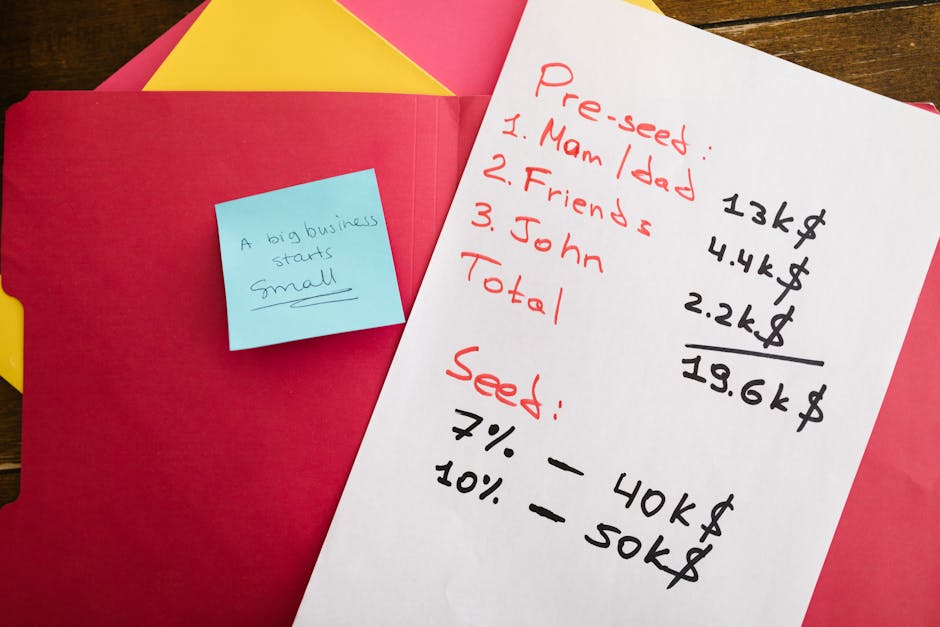
It varies, but typically falls between $50,000 and $500,000. Some gritty startups raise even less and stretch every dollar like it’s their last breath. Others with the right pitch, MVP, or rolodex may raise more.
Who Gives Out Pre-Seed Funding?
- Founders: Yeah, it might come from your own pocket. Real talk.
- Friends and family: The people who believe in you (often with zero understanding of your idea).
- Angel investors: Early believers hunting for diamonds in the rough.
- Accelerators and incubators: Y Combinator, Techstars, and other programs sometimes fund at this stage.
- Micro VCs: Venture capitalists with smaller funds who play the early game.
Just remember this: Early money is expensive. Give up equity only when it’s truly worth it. Not all money is smart money. Pick your battles carefully.
When Should a Startup Raise Pre-Seed Funding?
The short answer: when you can’t move forward without it.
Timing is critical. Raise too early, and you might give up too much. Raise too late, and you might run out of steam. Pre-seed is for:
- Product development (MVPs or prototypes).
- Validating your thesis.
- Hiring your first developer or co-founder.
- Running early tests or pilots.
If you’re already generating revenue or have thousands of users, you’re probably past the pre-seed stage. This is your tool to go from zero to something.
How to Prepare Before You Raise
No investor will write you a check because you had a late-night idea while walking your dog. You need battle-ready preparation.
1. Validate Your Idea
You don’t need a polished product, but you do need:
- Clear pain points you’re solving.
- Evidence that people want this—surveys, interviews, waitlists, clickable prototypes.
- Competitive landscape analysis. Know your enemies.
2. Craft a Killer Pitch Deck
Spartan principles apply: less is more. Your pitch should be tight, focused, and powerful. Here’s what your deck must include:
- Problem
- Solution
- Market Opportunity
- Product or MVP
- Business Model
- Go-To-Market Strategy
- Team
- Traction (if any)
- Ask + Use of Funds
Nail these and your weapons are sharp. Walk into meetings like a warrior, not a beggar.
3. Assemble a Founding Team
Lone wolves rarely survive the early stage. VCs often invest in teams, not ideas. Find co-founders who complement your skills, who get the mission, and who are ready to bleed, sweat, and push when things get ugly (and they will).
Where to Find Pre-Seed Investors
Here’s where you start hunting for backers who believe in your madness:
1. Local Startup Ecosystems
Startup meetups, coworking spaces, local demo days. Go out there and talk to makers, creators, and potential backers.
2. Online Communities
- Indie Hackers
- Twitter/X (yes, really—the startup community is massive here)
- AngelList
3. Accelerators and Incubators
Programs like Y Combinator, Techstars, and 500 Startups offer money, mentorship, and connections. They’re competitive, but showing up prepared ups your chances.
4. Warm Intros
If you know someone who knows someone—use that connection. Warm intros work. Cold emails can still win, but you better bring thunder with that first line.
How to Pitch Like a Pro
Your idea might be amazing—but if you pitch like a walrus, no one’s investing. Here’s how to dominate the pitch arena:
- Be concise: Get to the point. No rambling.
- Focus on the problem: Make it painful. Get the investor nodding.
- Show traction: Even small numbers help—sign-ups, email list, prototype usage.
- Know your numbers: Market size, CAC, LTV—investors hate guesses. You need hard, defendable numbers.
- Practice: Pitch to friends, advisors, and mentors. Refine. Sharpen. Dominate.
What to Avoid During Pre-Seed
Too many founders make rookie mistakes that can kill momentum before it begins. Learn from their burns:
- Overvaluing your startup: You’re not worth $10 million yet. Be real. Be strategic.
- Giving up too much equity too soon: Don’t hand over half your company for peanuts. Hold the fortress.
- Chasing every investor: Not every check is smart money. Aim for few but aligned and strategic partners.
- Building before validating: Don’t code for months before talking to real users. That’s not bravery—it’s foolishness.
The Spartan Path: Final Thoughts
Pre-seed funding isn’t just about getting cash. It’s about proving you’re worth backing before you’ve reached daylight. It’s a war of attrition, of momentum over polish. Founders who win at this stage are the ones who show grit, clarity, and tireless commitment to solving real problems in real markets.
If you’re resourceful, persistent, and speak in action—not just ideas—you’ve already got an edge. Now go sharpen your weapons, prepare your pitch, and conquer that first round of capital. The startup arena won’t wait for the fainthearted.
Your journey starts here. And it starts now.