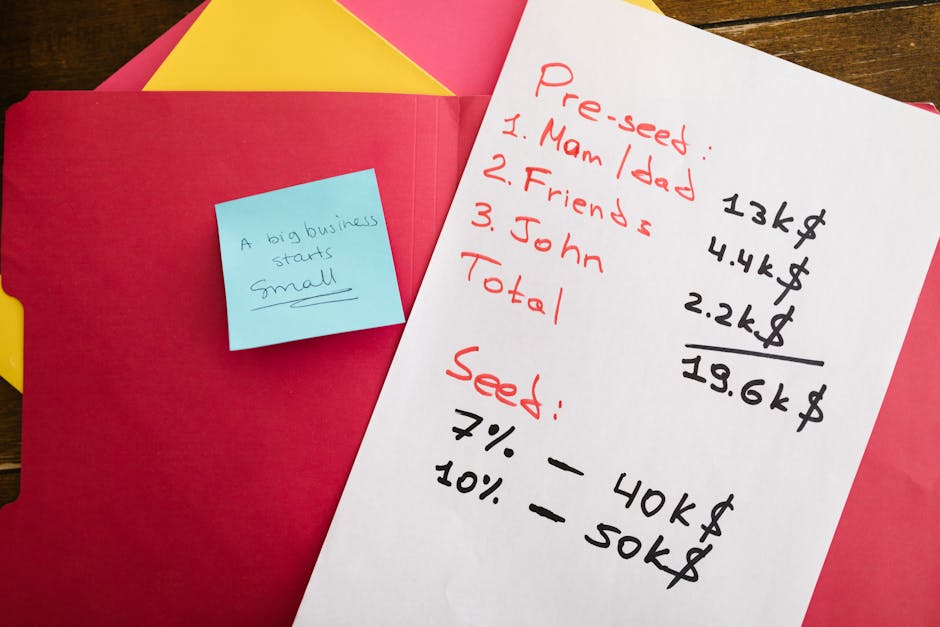

In today’s high-voltage entrepreneurial landscape, ideas are everywhere — but not every bold pitch becomes a successful startup. The intersection of raw determination and measurable resources often determines who makes it and who fades into startup oblivion. Surprisingly, factors like individual resilience and access to startup funding can make all the difference between evolutionary progress and early-stage extinction.
Why Most Startups Don’t Make It
Let’s not sugarcoat it — most startups fail. In fact, industry stats estimate that about 90% of new ventures go under. Some die silently, swallowed by poor timing or crowded markets. Others flame out dramatically, starved of cash and suffocated by toxic team dynamics. But the common thread binding most failed ventures? A lack of grit and capital. Without staying power and strategic resources, even the brightest idea can’t stand up to the day-to-day battlefield of entrepreneurship.
Defining Grit: The Ultimate Startup Weapon
“Grit” might sound like something out of a war movie, but in the startup world, it’s dead serious. Grit is the trait that makes founders stay late when everything’s falling apart. It’s the unteachable ability to get back up after humiliating failures. Founders with grit treat every mistake as intel — not as a signal to quit.
Psychologist Angela Duckworth famously described grit as a combo of passion and perseverance. In startups, that translates to an unwavering obsession with solving a problem and sticking with it through all the chaos. Grit doesn’t guarantee success, but without it, you might as well pack up now.
Grit in Action: Startup War Stories
Picture a young, underfunded app developer getting laughed out of an investor pitch. A gritty founder doesn’t panic. They iterate the pitch, pivot the model, and knock on a hundred more doors. Think of Airbnb — rejected countless times before breaking through with relentless hustle. Or Spanx’s Sara Blakely, who built her company with no funding, no experience, and iron willpower that would make a Spartan proud.
Grit isn’t glamorous. It doesn’t happen in keynote speeches or LinkedIn announcements. It comes at 3 am, when servers crash, freelancers ghost, and ad campaigns flop. Founders with grit survive these lows — and often come out smarter.
Capital: The Fuel That Fires the Machine
Grit can keep a founder moving forward — but without capital, they’re running barefoot across a minefield. Startups need money like lungs need air. Not unlimited amounts, but the right kind, deployed with intention and clarity.
Early-Stage Capital and Why It Matters
Seed funding and angel investment are often the lifeblood for startups in the early phase. This capital helps founders build prototypes, test markets, and start assembling foundational teams. Without this stage, even the scrappiest founders risk getting trapped in an endless loop of pitching without product, or product with no path forward.
It’s not about raising millions to blow on swanky offices. Smart founders use capital to buy time, learn faster, scale precisely, and stay alive long enough to learn what really works. It gives them leverage to negotiate, room to experiment, and a fighting chance in a crowded, ruthless market.
Venture Capital: The Double-Edge Blade
Once startups prove traction, venture capital becomes the war chest. It’s a chance to accelerate growth like a rocket — but also a point where many collapse under poor planning or diluted vision. VCs don’t fund dreams; they fund returns. Founders lacking conviction, cash discipline, or solid metrics can find their runway shortened and their dreams grounded.
Still, for those with grit and hustle, venture capital is the means to scale from a stubborn garage operation to a category-killing unicorn. Use it wisely, or suffer a very public crash.
Symbiosis: How Grit and Capital Feed Each Other
Here’s the twist — grit attracts capital. Investors back founders who show obsessive resilience. They want to see someone who’s immersed in the problem, bruised but standing. A fundraising deck may list metrics, but what really sells is the story of perseverance, creativity, and sheer tenacity.
On the flip side, capital strengthens grit. It allows gritty founders to keep going when bootstrapping turns masochistic. With enough capital to build momentum, founders don’t have to compromise their mission just to stay solvent. It’s a feedback loop — grit inspires confidence, funding fuels execution, and results boost belief.
Bootstrapping vs. Fundraising
Some of the world’s most successful startups started with nothing but stubborn determination and maxed-out credit cards. Bootstrapping hones survival instinct. It teaches lean strategy, customer obsession, and creative problem-solving.
But bootstrapping also limits scale. If your competitors are burning $10 million in VC funds while you’re scraping by, your MVP better be god-tier. That’s where balance matters. Bootstrapping can sharpen grit. But eventually, capital must tag in if you want to go the distance.
Mindset Matters: Spartan Thinking vs. Startup Fantasy
Too many founders fall for the fantasy. They picture glam conferences, instant virality, and adoration. But real startup life is trench warfare. It’s sleepless nights, unexpected fires, and rejection wrapped in polite feedback.
Adopting a Spartan mindset — frugal, focused, formidable — sets apart the founders who endure. They don’t care about ego metrics. They care about product-market fit, value delivery, and their team staying sane under fire.
Just as warriors train relentlessly for battle, startup founders must condition themselves mentally and emotionally. Meditation, journaling, exercise — these aren’t fluffy hacks. They’re armor against burnout, insecurity, and decision fatigue.
Staying in the Game
The startups that survive long enough to win rarely get there in straight lines. They zigzag, pivot, rebrand, and sometimes downright reinvent. What matters is staying in. The only way to beat the statistical odds is to stick around long enough — smarter, tougher, and better funded.
Key Lessons for Founders
- Focus on Pain Points: Build something worth bleeding for. If users don’t care, neither will investors.
- Nurture Grit: Read biographies of failed startups. Learn how others endured. Then apply that fire to your own path.
- Use Capital Strategically: Don’t fund lifestyle. Fund runway. Fund your learning curve. Fund talent you can’t afford to lose.
- Be Coachable: Ego kills startups. Listen, refine, execute again. Fighters evolve. Tourists perish.
- Build Real Relationships: Investors are people. Users are people. Your team is everything. Build trust, not just a pitch deck.
Conclusion: The War Is Long — Be Ready
There’s no shortcut to startup success. The path is brutal, uncertain, and unfair. But with grit in your heart and the right capital in your war chest, survival is not only possible — it’s inevitable for those who refuse to die quietly. Think like a warrior. Move like a tactician. Fund like a realist. And never stop adapting. That’s how you turn a ragtag dream into a market dominator.